
The drying of refractory materials is a critical phase in the commissioning and maintenance of facilities in the cement industry. A poorly executed process can lead to cracks, spalling, or premature failure, which directly affect the durability and safety of the equipment.
Refractory drying is actually a technical process that requires precise temperature control to ensure the material performs correctly in service.
Why is drying refractory materials important?
Refractory materials contain moisture that must be gradually removed before the equipment is put into operation. If this moisture is not properly removed, the resulting steam can cause internal damage to the lining.
Proper drying allows for:
- Preventing cracks and internal explosions in the material.
- Ensuring the structural stability of the lining.
- Improves the thermal efficiency of the equipment.
- Extends the service life of the refractory.
In equipment such as rotary kilns, coolers, or cyclones, this process is particularly important.
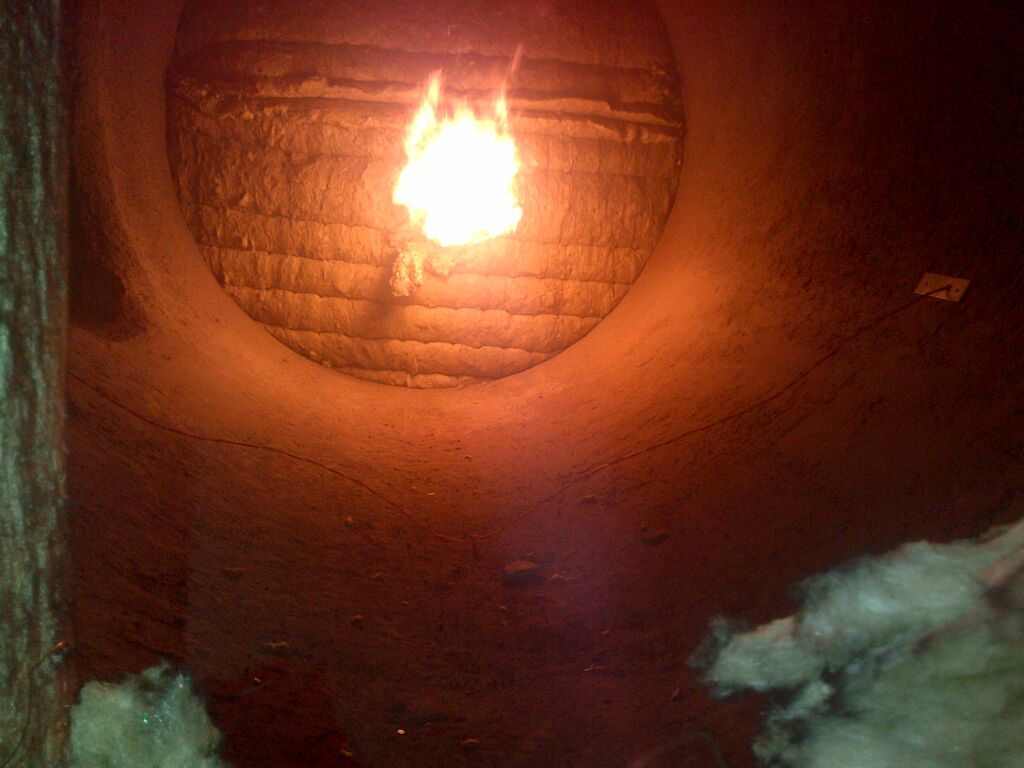
Stages of Refractory Drying
Drying is not simply a matter of applying heat, but rather of following a controlled temperature curve that allows moisture to be safely removed.
- Removal of free moisture: In this first stage, surface water is removed from the material. Heating must be gradual to prevent the formation of high-pressure steam inside the refractory.
- Removal of bound water: As the temperature rises, water retained within the material’s internal structure is removed. This process requires precise control to prevent internal stresses.
- Thermal stabilization: Once moisture has been removed, the material must be maintained at a controlled temperature to ensure proper consolidation before being put into service.
Technologies Used in the Drying of Refractories
Refractory materials can be dried using various heating systems, depending on the type of facility and environmental conditions.
- Combustion systems: Burners allow heat to be applied gradually in large industrial facilities. This method is commonly used in high-volume drying processes.
- Electric heating: Electric heating elements allow for greater temperature control, especially in specific areas or in equipment where precision is required.
- Induction treatments: These offer an efficient alternative for heating specific areas of the lining, especially in complex configurations or during maintenance work.
Importance of thermal control in the process
The success of the drying process depends largely on the ability to control the temperature throughout the process.
The following are used for this purpose:
- Industrial thermocouples.
- Temperature loggers.
- Multichannel thermal control systems.
These systems allow for monitoring temperature trends at different points on the lining and ensure that established thermal curves are followed.
Consequences of Improper Drying
Improper drying can cause multiple problems in the equipment’s operation:
- Cracks in the refractory.
- Reduced thermal efficiency.
- Premature lining failure.
- Increased maintenance costs
- Safety issues
- Shorter equipment lifespan.
For this reason, process control is just as important as the material itself.
Trends in Refractory Drying
Advances in thermal technology have improved the precision and efficiency of these processes.
Key trends include:
- Digitalization of thermal control.
- Real-time monitoring.
- Optimization of energy consumption.
- Application of high-temperature solutions.
These improvements enable safer, more efficient drying processes tailored to the needs of each facility.
The drying of refractory materials is a key process in the cement industry that directly influences the durability and performance of equipment.
The proper application of heating techniques and the use of advanced thermal control systems ensure that the lining operates safely and efficiently from the very beginning.